Wednesday, June 18, 2014

Pre-1972 Homes Have More Electrical Problems


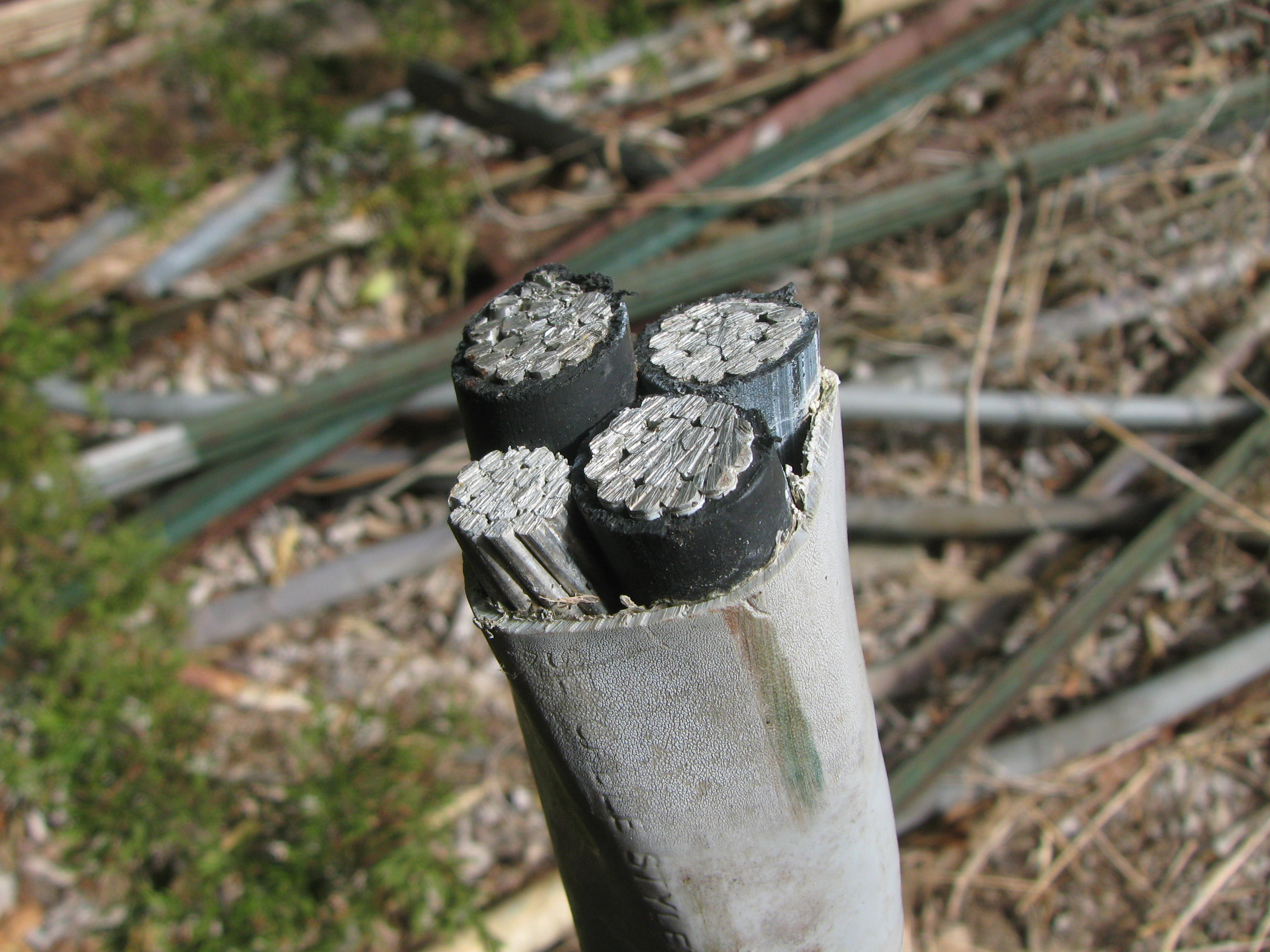
Aluminum Wiring
www.wikipedia.org


If your house was built prior to 1972, you may have an elevated risk for electrical fires and other related problems. This is because homes built during this period were wired with aluminum electrical systems, which can be prone to oxidation. However, the problem is more complex than it sounds.

Aluminum wire is actually perfectly safe in most applications. For instance, commercial jets utilize this lightweight conductor in their electrical systems. The problem in older homes is that the aluminum wire is exposed at points of connection throughout the house. Without the insulation covering it, aluminum wire tends to rust. Rust resists conduction, causing the wire to heat up when the power is switched on. This heat is what causes electrical fires.

Changes in pressure or temperature can also affect aluminum wire, leading to loose connections and sparks. If aluminum wire is connected to other metals, chemical reactions can also affect the flow of power. And, although aluminum wire was commonly used during the ‘60s and early ‘70s, electricians back then rarely took care to avoid these complications. As a result, a surprising number of homes still have faulty aluminum wiring. This is especially prevalent in neighborhoods with older homes, such as certain parts of Burbank or Pasadena.

If your home contains aluminum wiring, or you suspect it does due to its age, contacting a professional electrician in Los Angeles for an inspection is your best move. They can check for the presence of aluminum and recommend the appropriate solution. In most cases, this means rewiring the entire home or replacing the contact points. Either way, shoring up your older home’s electrical systems will help ensure that your lights and appliances continue to work and that electrical fires don’t start.

Tuesday, May 6, 2014

Meter Base Upgrades in L.A.


When was the last time you checked to make sure your meter base is in proper working order, or even up to date? It’s okay; owning a home is a lot of work and it’s all up to you. Knowing how to properly maintain your meter base is easy because it’s mostly a hands-off job, meaning you’ll rarely have to deal with it. Still, as a homeowner, it’s good to know what it is and what you need to do to keep it running smoothly.
  
Many people who own homes neglect their meter base. In fact, many people don’t even know what a meter bade is exactly. So, let’s take a quick second to refresh your memory. The meter base is that little round clear shell stuck to the side of your house. Your heart probably skips a beat whenever the electric company sends someone over to take a reading of it. Sound familiar? Well, in brief, the meter base is the thing that all of your home electricity passes through right before it goes to keep your fridge running and your lights on. It’s a really important piece of equipment and, what many people fail to realize, it’s also entirely your responsibility. That’s right; it’s not the city’s job, nor the electric company’s job to keep this thing up-to-date. In fact, technically, all the electric company promises to do is to provide you with electricity up to your meter—everything else in on you. So here’s what you need to know.

Your meter base needs to be up-to-date, but depending on where you live this means different things. How do you know what the standards are in your town? Ask around. A general rule, though, is that if your home is really old, or recently purchased, then you probably need an upgrade. While some people feel that upgrades are a DIY project, it is highly recommended that you have a licensed electrician come take care of the job. This is especially true if you live in the Los Angeles area. L.A can be very particular about homeowner standards, so make sure your meter upgrade is done correctly and safely.

If you’re still unsure about whether or not your meter base needs an upgrade, or is in proper working order, call an experienced electrician to come take a look. They’ll make sure you’re taken care of.    

Tuesday, April 8, 2014

Easy Ways to Conserve Electricity this Summer


Springtime is upon us, which means that summer is just around the corner. For those living in Southern California, this means it’s time to begin thinking about ways to manage the impending sweltering heat. The California drought that’s been plaguing the state for the past couple of years has meant that residents throughout the state have needed to cut back on water use. Since frugality is this year’s theme, why not also save money and energy while staying cool?

Running the air conditioner at home can be costly, not to mention environmentally unfriendly. Fortunately, there’s a cost-effective, green way to keep you and your loved ones cool this summer—a whole house fan. These are fans that circulate air throughout your entire home, which when done strategically, is an effective means for maintaining fresh air at a comfortable temperature.

The National Renewable Energy Laboratory (a subcommittee of the U.S. Department of Energy) provides a convenient pamphlet that shows you exactly how much you save when you use a whole house fan. You can save literally thousands of dollars by simply installing a house fan unit in your home, rather than an air conditioning unit. If you already have a unit where you live, then consider running just the fan, rather than entire piece of machinery. Running the fan in the evenings when outside temperatures are cooler brings down the overall ambient temperature inside. Once the inside of your home has been chilled, the fan then circulates the cool air during the day, while sucking out the hot air and expelling it through your attic.

While the basic physics of a whole house fan is fundamentally simple, getting one into your home might be more challenging. There are certainly places online that will give you directions on how you can install one yourself, but it is better to consult a professional who can make sure the job is done properly. You won’t save money if you constantly have to fix a poorly done DIY project. Be the first on your street to truly beat the heat while saving money and the environment.   

Friday, March 14, 2014

Smoke Alarms Save Lives


Most of us only think about our home smoke alarms when it starts emitting a shrill beeping sound, letting us know it’s time change its batteries. Perhaps, if we happen to be thinking about it, we may even get up on a chair and press the little button on the alarm to see if it’s working. However, smoke detectors are potentially lifesaving appliances and require more attention than an annual battery changing, or button pushing. This is why it’s imperative to ensure that you have a properly installed smoke alarm system in your home.
Consider the potential dangers of a malfunctioning smoke detector and you’ll see just how serious this issue is. For example, the Red Cross notes that almost a thousand people die each year from fire-related accidents where a smoke alarm was not in the home. In a less serious situation, lives may not be lost, but property damage from fire and smoke can be astronomically expensive. At the end of the day, not having a properly installed smoke detector poses the same dangers as not having one at all. This is why routine check-ups are essential for your safety as well as the safety of your loved ones.
Calling a certified electrician is the quickest and easiest way to make sure your smoke detector is installed properly. A trusted electrician can quickly help you make your home a safer place. However, since we’re talking about safety, be sure that your electrician is fully licensed and someone you can trust. There’s no point in calling the first number you see. You literally trust your life with an electrician when it comes to smoke detector maintenance. So, be sure you choose the person who has years of experience, good references, and treats your smoke detector maintenance with the respect it deserves.

Friday, February 21, 2014

The Danger of Starting Electrical Fires


Not very many people actually have a plan of action in case they ever come face to face with a fire in their home. Since we’re very young, it’s instilled in us that fires are bad and to be careful when playing with matches or other such flammables. After all, when we think of house fires what probably comes to mind is a candle tipping onto the tablecloth, near the curtains, or on the couch—all of which can are set to ignite after contact.

Of course we don’t live in an age of wax or candles anymore and these types of fires are rare to say the least. That isn’t to say that fires don’t still occur within the household, but the cause of almost one-third of fires that do occur are caused by faulty wiring, abused extension cords, or electrical system problems.

As common as electrical fires are, most of us are not properly equipped to handle an emergency situation—and hopefully we never have to. That’s where safety and prevention play such a critical factor. It is far better to catch potential electrical fire risks before they actually become a dangerous, very real problem.

While most places experience electrical fires during the winter months, when additional heating is necessary due to increased cold, there is a somewhat different dynamic for the West Coast—where winters are mild and summers are scorching. Most electrical fires in California take place during the summer months when air conditioning, refrigeration, and spinning/propeller fans are abused to try to keep cool.

One of the most important things to consider in preventing electrical fires is the proper use of electrical outlets and extension cords. Despite the fact that many extension cords have multiple slots available, it is safer not to abuse the capacity of a single extension. Some things that we plug into extension cords, such as external A/C, are meant to be plugged directly into a wall outlet and the strain our cords endure ends up being too much and could lead to overload and ignition.

Of course, there are heavy-duty cords available for those situations where you need an extension cord for an air conditioner, but it is also important to note that you shouldn’t use heavy-duty cords for general purpose plugs, since that can also result in an unexpected and undesired fire. If you are in doubt about whether or not your plugs are general purpose or not, it is always more beneficial to hire a licensed electrician to evaluate your electrical system and inspect the quality of your appliances.